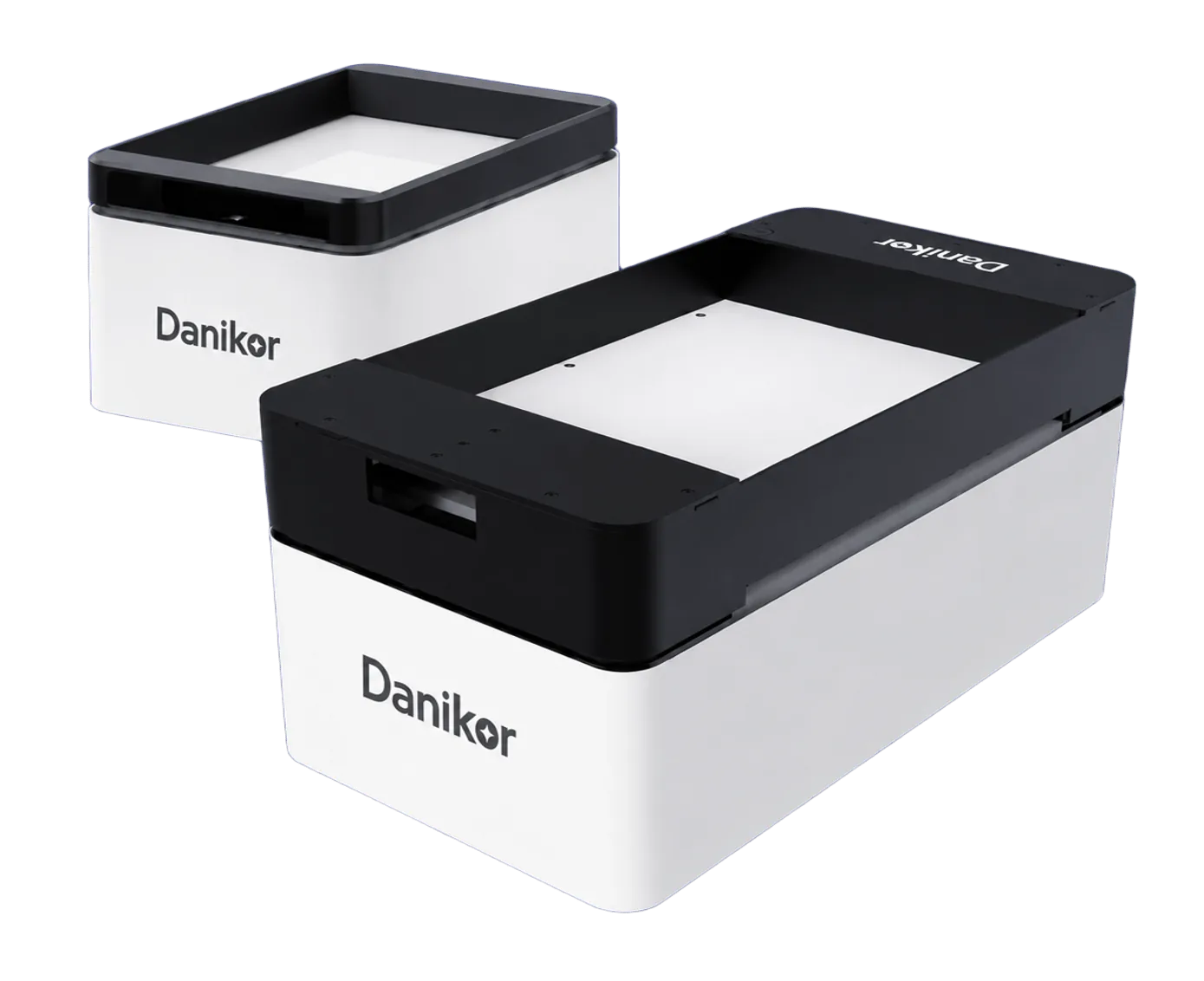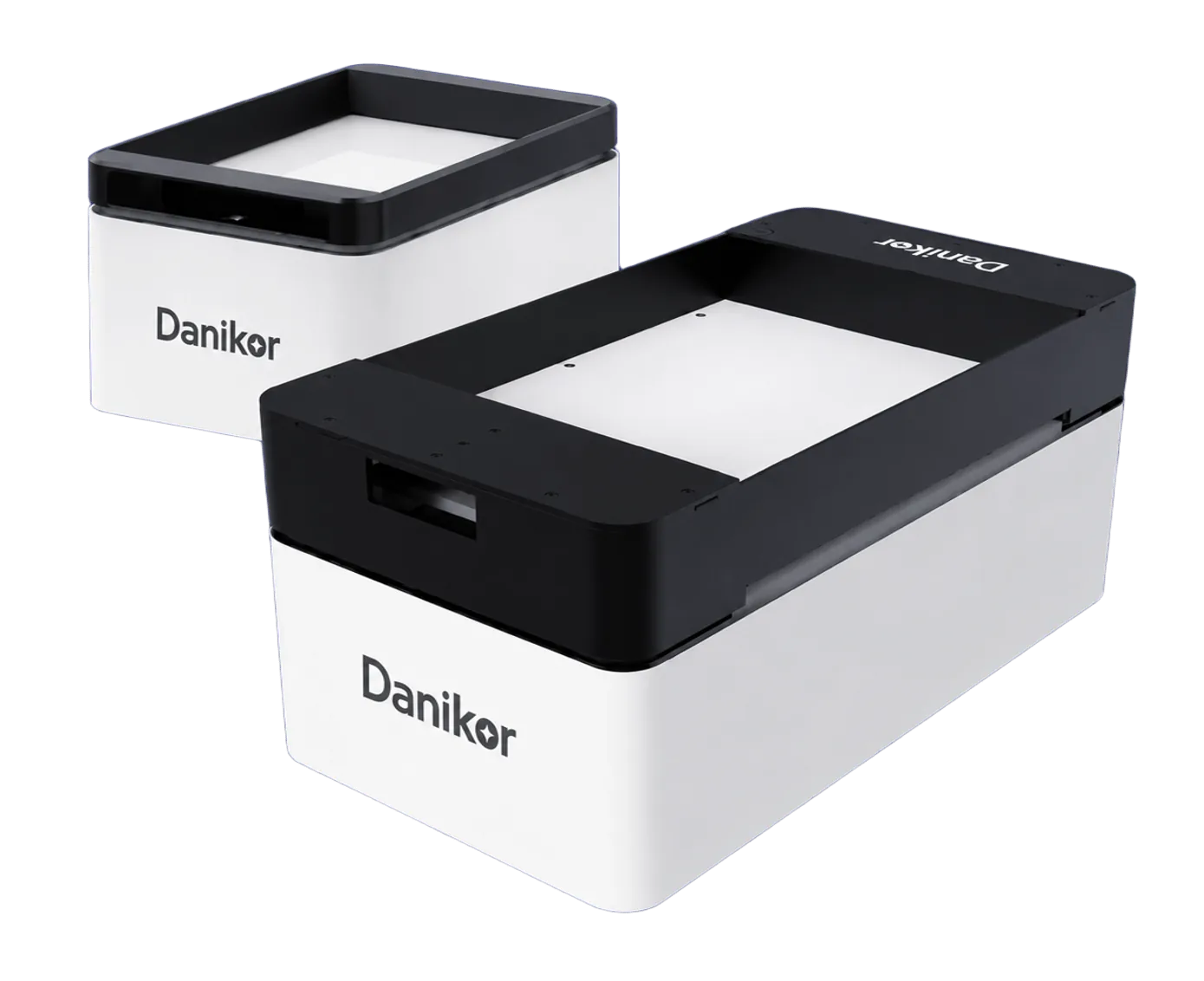
Flexible Feeding for Complex-Geometry Parts
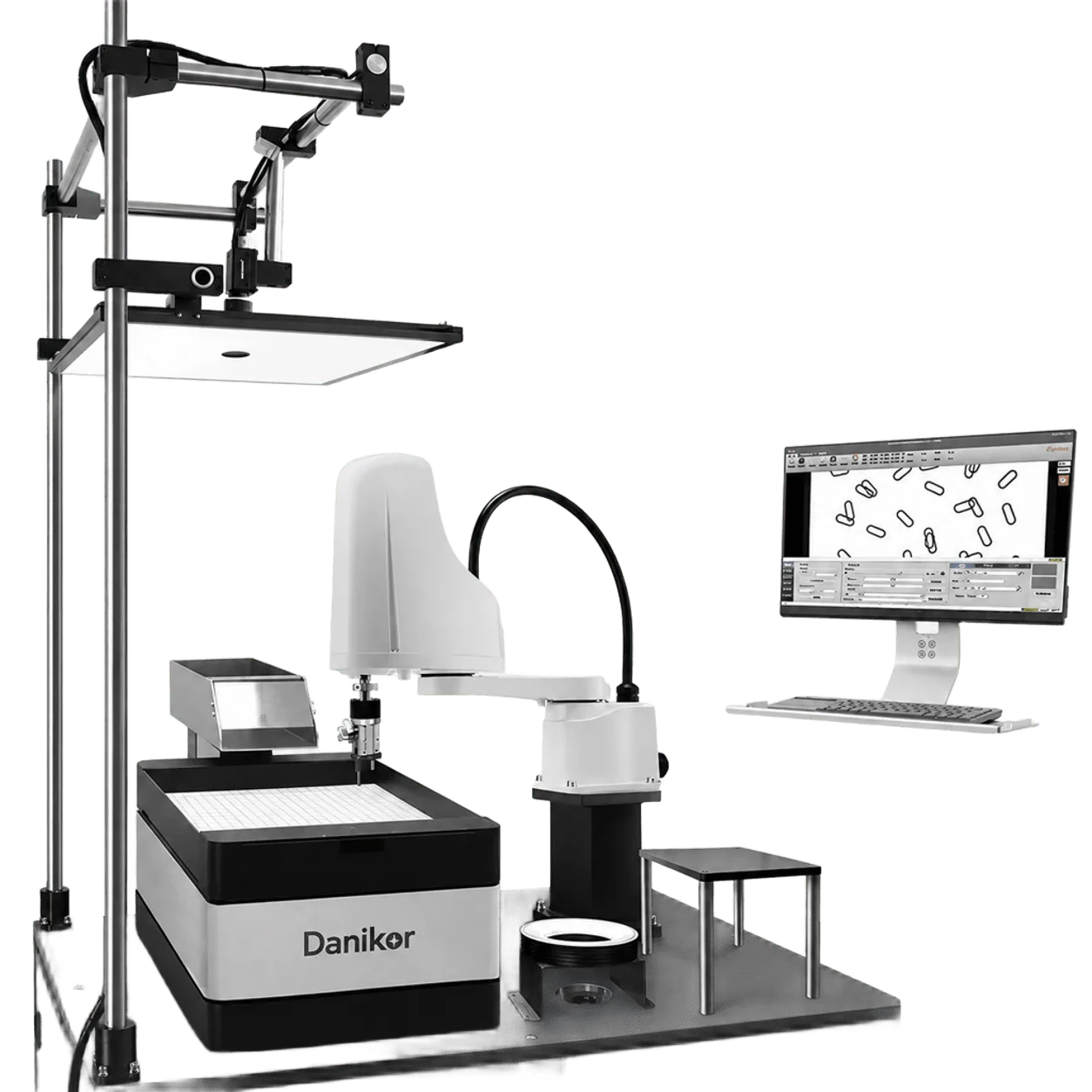
Unlike conventional screw feeders, the Multi Feeder System is designed for complex-geometry materials, special parts or short-run production where frequent changeovers are a critical requirement. The system requires no additional external hoppers, reduces jamming risk and integrates AI vision so the robot always knows the exact position of every part.
How the system works
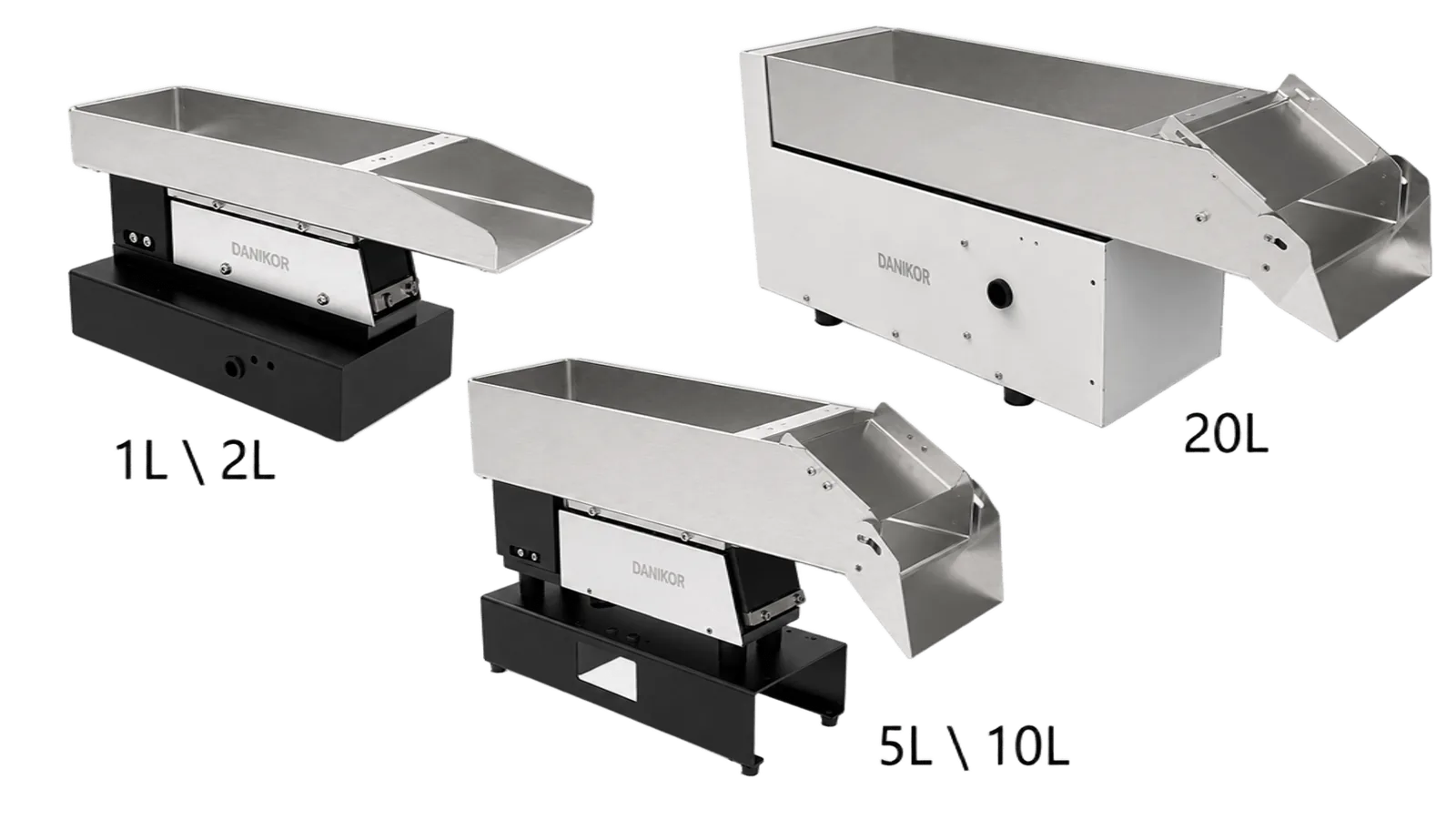
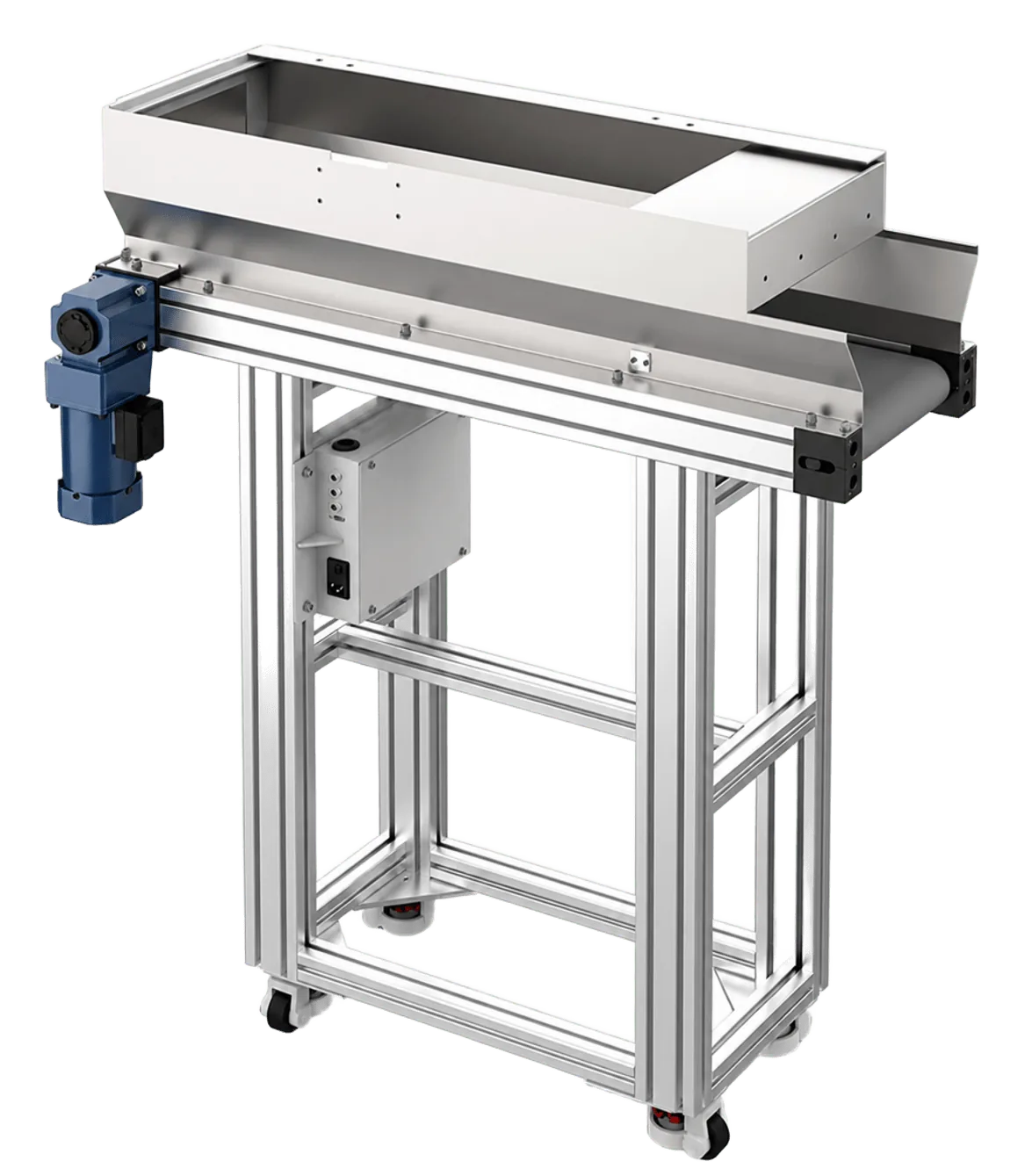
- Step 1 — Load: Materials are loaded into the hopper. Vibration moves them to the Multi Feeder plate
- Step 2 — Orient: Four voice coil motors adjust plate amplitude, phase and frequency in 7 motion modes (left, right, up, down, center vertically, center horizontally and flip & disperse) to position and orient the parts
- Step 3 — Detect: The vision camera detects each material's orientation and position and sends coordinates to the robot
- Step 4 — Assemble: The robot picks the part using vision data and moves it to the assembly point
Key technical advantages
- One-key frequency finding — completed in 12 seconds (previously: manual frequency adjustment)
- 7 motion modes driven by an internal control algorithm
- Instant stop/start — residual vibration reduced from 1 s to 0.2 s
- Vibration isolation (optional) — isolates up to 95% of vibration energy and prevents interference between machines
- Proprietary AI algorithms self-learn correct and incorrect material postures and identify material features autonomously
- Closed-loop control with vision algorithm compensation for real-time offset correction
- Interchangeable plates — fast material changeover; optional material clearing function
Communication and connectivity
The Multi Feeder communicates with the vision PC via TCP/IP and with PLC via digital I/O. Models U20 and above include RS485 for Danikor HPS-LV0 hoppers and I/O for third-party hoppers. It integrates with Danikor vision software, which unifies control of the flexible plate, robot and camera.