The Essential Complement for Safe High-Torque Assembly
When a tool's torque exceeds 50–80 Nm, the reaction force on the operator's wrist and arm becomes both an ergonomic risk and a quality issue. A reaction arm solves both problems: it absorbs the return torque structurally and keeps the tool aligned with the fastener axis — improving joint consistency and protecting the operator every cycle.
Key Features
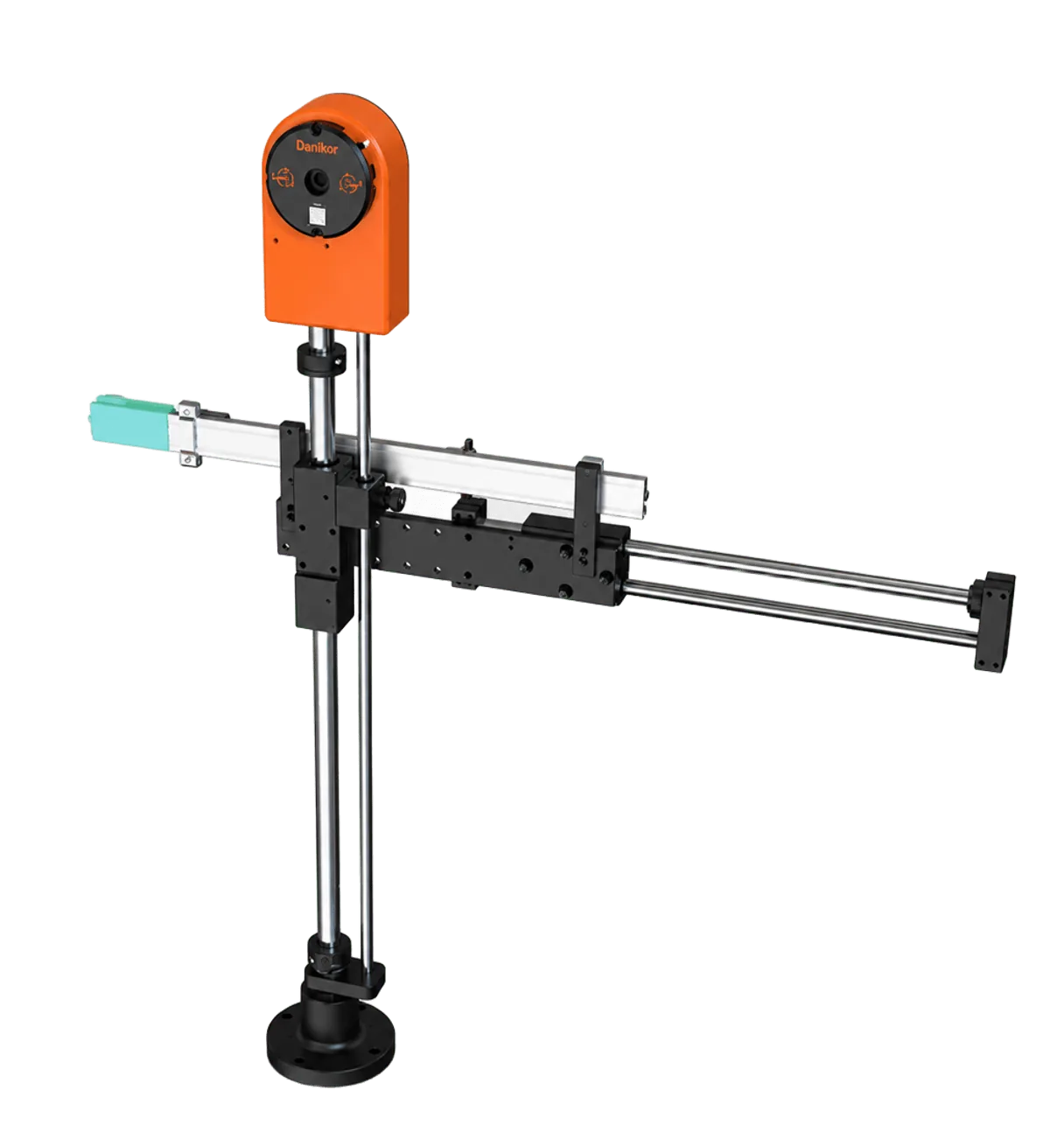
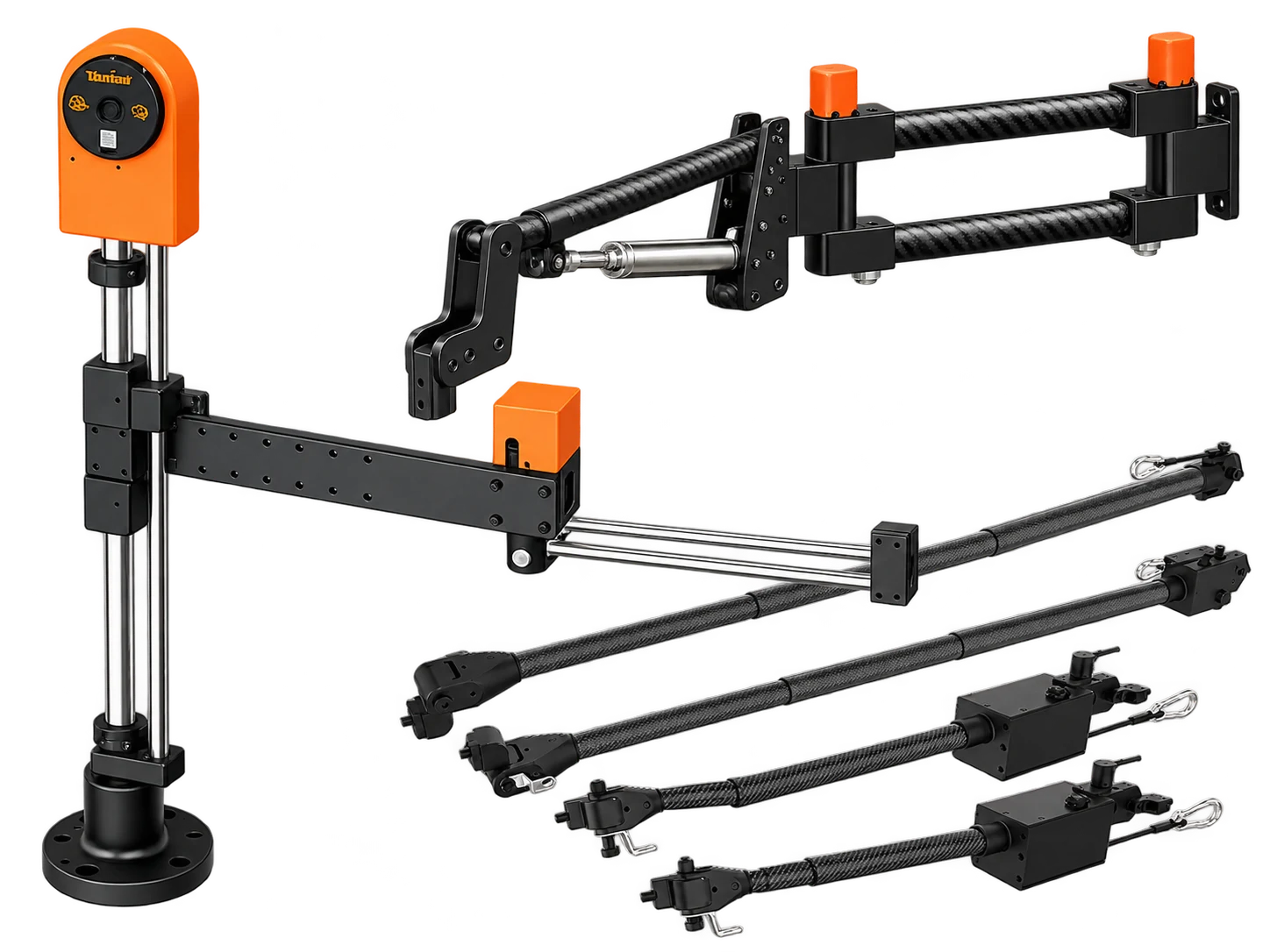
- Linear arm: linear travel for vertical torque, 10–150 Nm — with or without RS485 encoder for screw-by-screw guided positioning
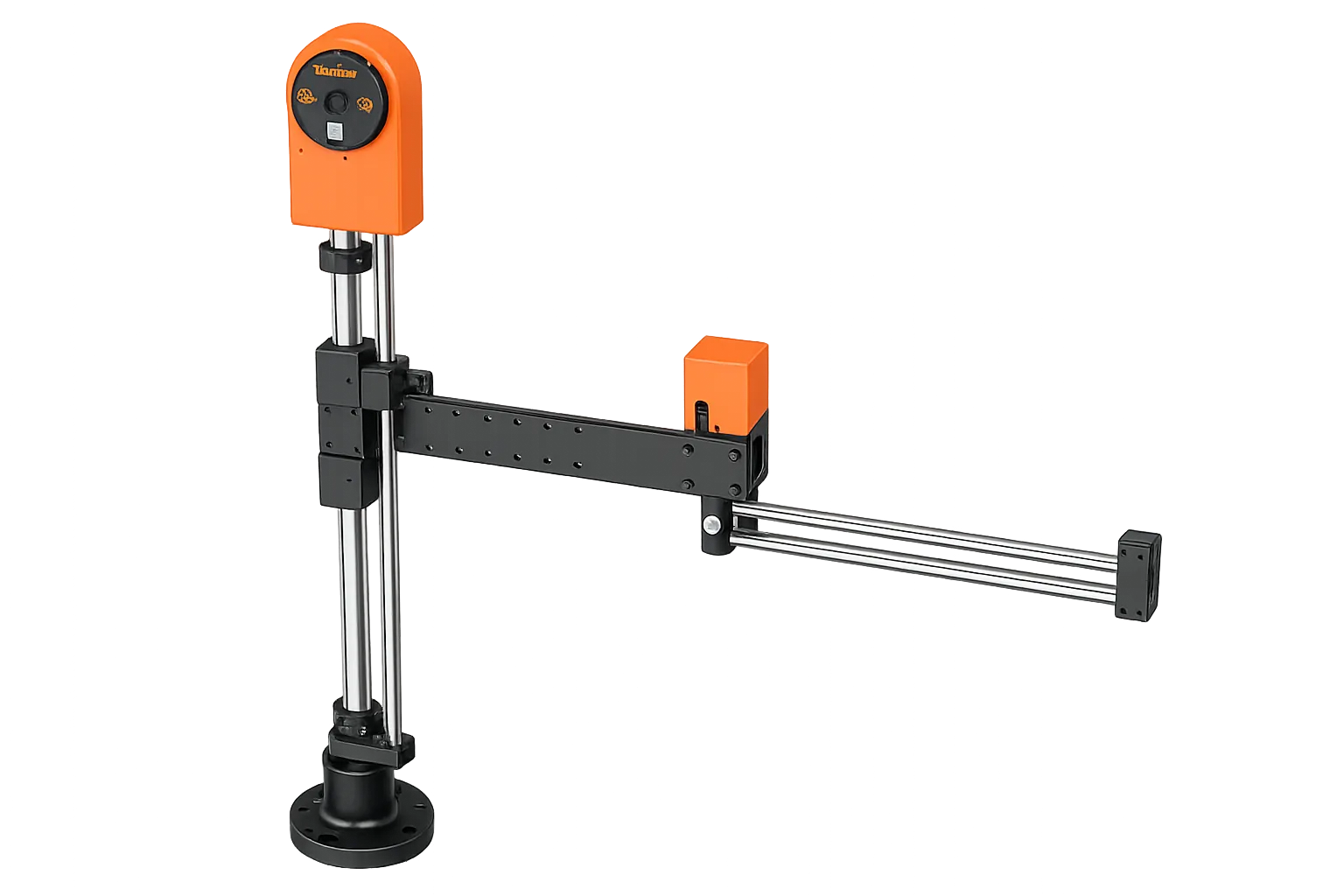
- Swivel arm (articulated): same capacity as linear arm for restricted-access cells — 2 integrated digital angle sensors
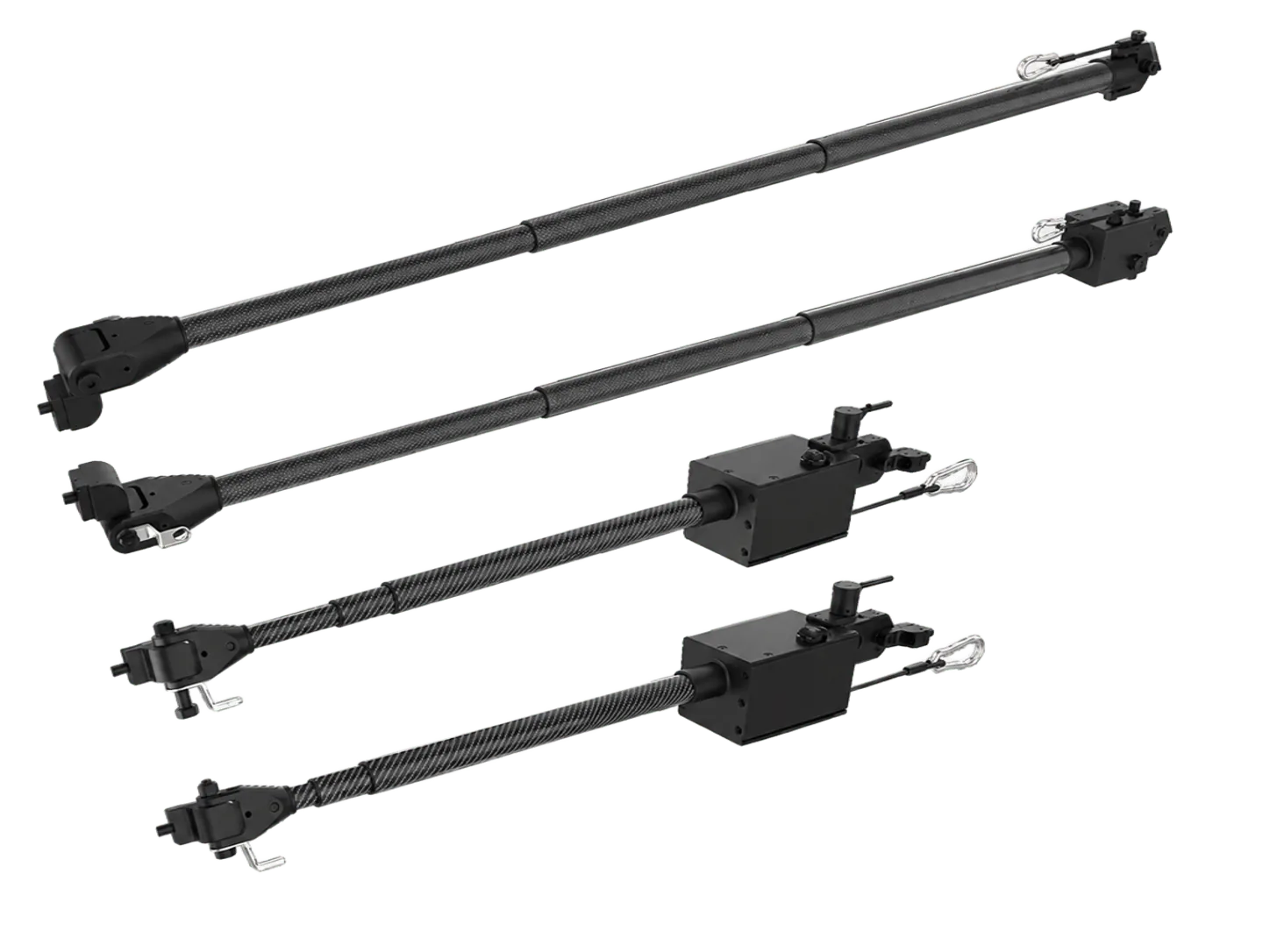
- Carbon telescopic arm: up to 200 Nm, lightweight carbon fiber, 2 angle encoders + 1 pull-cord encoder — with or without positioning
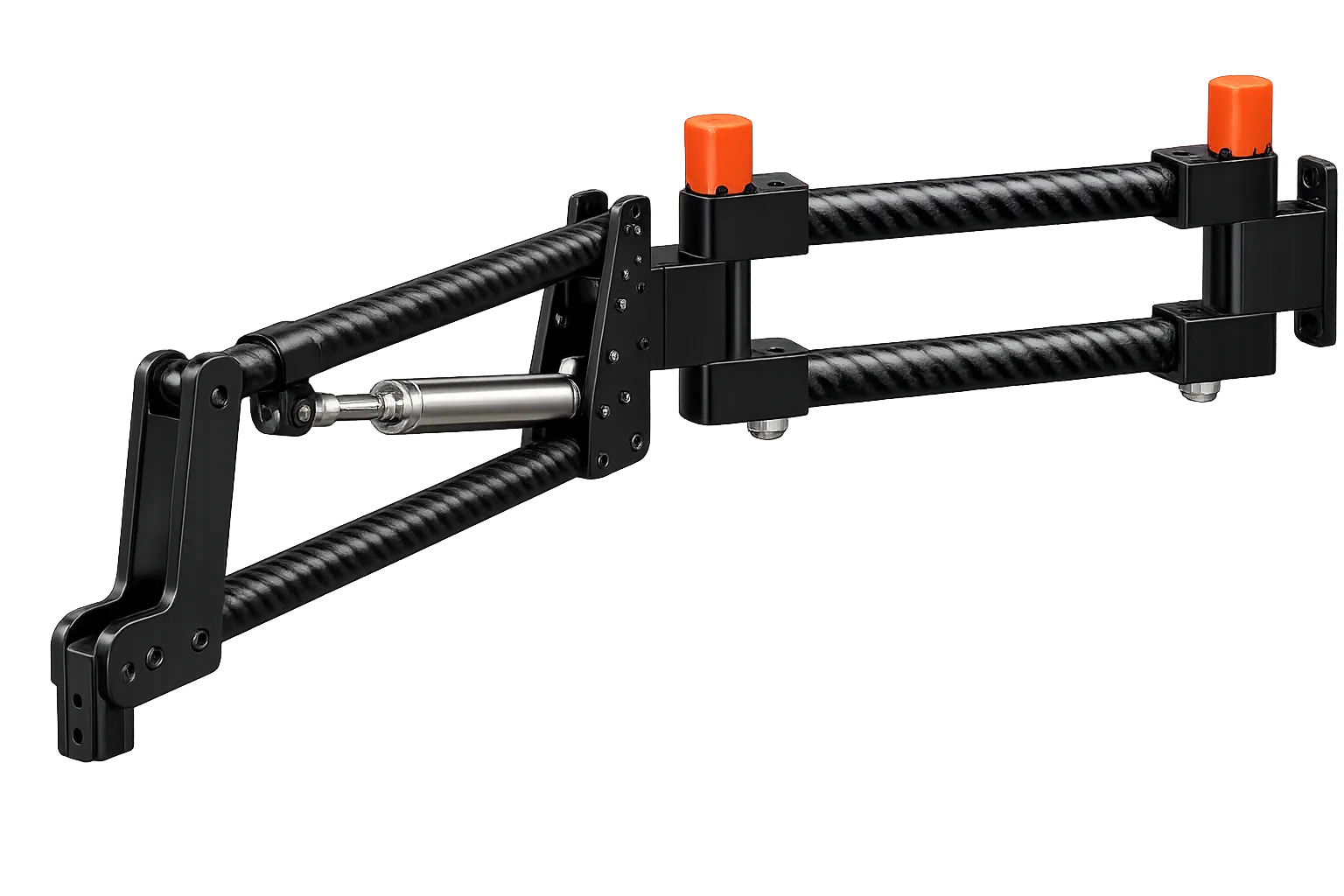
- Counterforce arm: carbon fiber with integrated pneumatic counterbalance, up to 100 Nm, mounts on standard site profiles
- Eliminates reaction torque at the operator's wrist for torques above 50 Nm
- Maintains tool-to-fastener alignment for consistent, repeatable tightening results
- Reduces NOK rejections caused by tool misalignment
Main Applications
High-torque electric and pneumatic screwdriver stations in automotive and electronics assembly, pulse tool installations requiring additional structural support, ergonomic compliance programs in occupational health and any fixed station where repeated high-torque cycles expose the operator to hand-arm vibration syndrome risk.
Available Brands
TMG sources reaction arms and torque arms compatible with Danikor, Sumake, KEMP and Yokota tools. Each arm is configured to the tool weight, maximum torque rating, required working radius and available mounting type at the station — column, ceiling, wall or cart mount. TMG advises on selection and installs on site.